How GPS and Geofences Turn Waiting Time Into Recoverable Money for Freight Forwarders
How GPS and Geofences Turn Waiting Time Into Recoverable Money for Freight Forwarders
For a freight forwarder, detention or waiting times are a true profitability problem disguised as a paperwork problem.
You pay the carrier for the hours a truck sits at a warehouse, then try to claw that money back from your own shipper/customer or absorb it — and most of the time you absorb it, because you can't prove what happened or you dispatcher does not want to risk the relationship with his or her shipper. A GPS geofence around each loading site fixes that. When a vehicle crosses the boundary, the system writes an objective, time-stamped record of arrival and departure that doesn't depend on anyone's memory or goodwill and can act as verifiable proof. That record is the difference between a detention charge you can defend and one that quietly eats your margin. This piece explains the mechanism, why forwarders are uniquely exposed, and how to start capturing the evidence.
Why detention is a forwarder's problem before it's anyone else's
In a warehouse delay, three parties feel it differently. The carrier loses a driving day. The shipper causes the delay but rarely pays for it. And the forwarder sits in the middle, holding the contract on both sides — which is exactly where the cost lands.
Here's the sequence that hurts. The forwarder books the carrier, the carrier's truck waits three hours at a consignee's dock, and the carrier invoices the forwarder for detention. The forwarder pays it, because the carrier has a claim. Then the forwarder turns to the shipper to recover the charge — and the shipper asks for proof. If the only evidence is the driver's note or a phone call, the shipper disputes it, and the forwarder swallows the cost. On margins of a few hundred euros per shipment, a single unrecovered detention invoice can wipe out the profit on ten clean loads.
This is why waiting time deserves more attention than it usually gets. Fuel is scrutinized to the liter; detention is argued about after the fact, if at all. But for a forwarder, detention is not a rounding error — it's a recurring leak in a business that already runs on thin margins.
The real problem is evidence, not delay
Delays will always happen. Docks get congested, paperwork goes missing, a forklift driver is on break. You can reduce these, but you can't eliminate them. What you can fix is your ability to prove them.
Almost every unrecovered detention charge fails for the same reason: nobody has a trusted, shared record of when the truck arrived, when free time ran out, and when it left. The carrier's timestamp and the warehouse's gate log rarely agree. Manual check-ins are easy to challenge because a human wrote them down and a human can be wrong. And when two records conflict and neither is authoritative, the dispute defaults to whoever has more commercial power — which, between a forwarder and a large shipper, is usually not the forwarder.
So the question isn't "how do we stop trucks waiting?" It's "how do we produce a timeline no one can argue with?"
How a geofence turns a truck's movement into proof
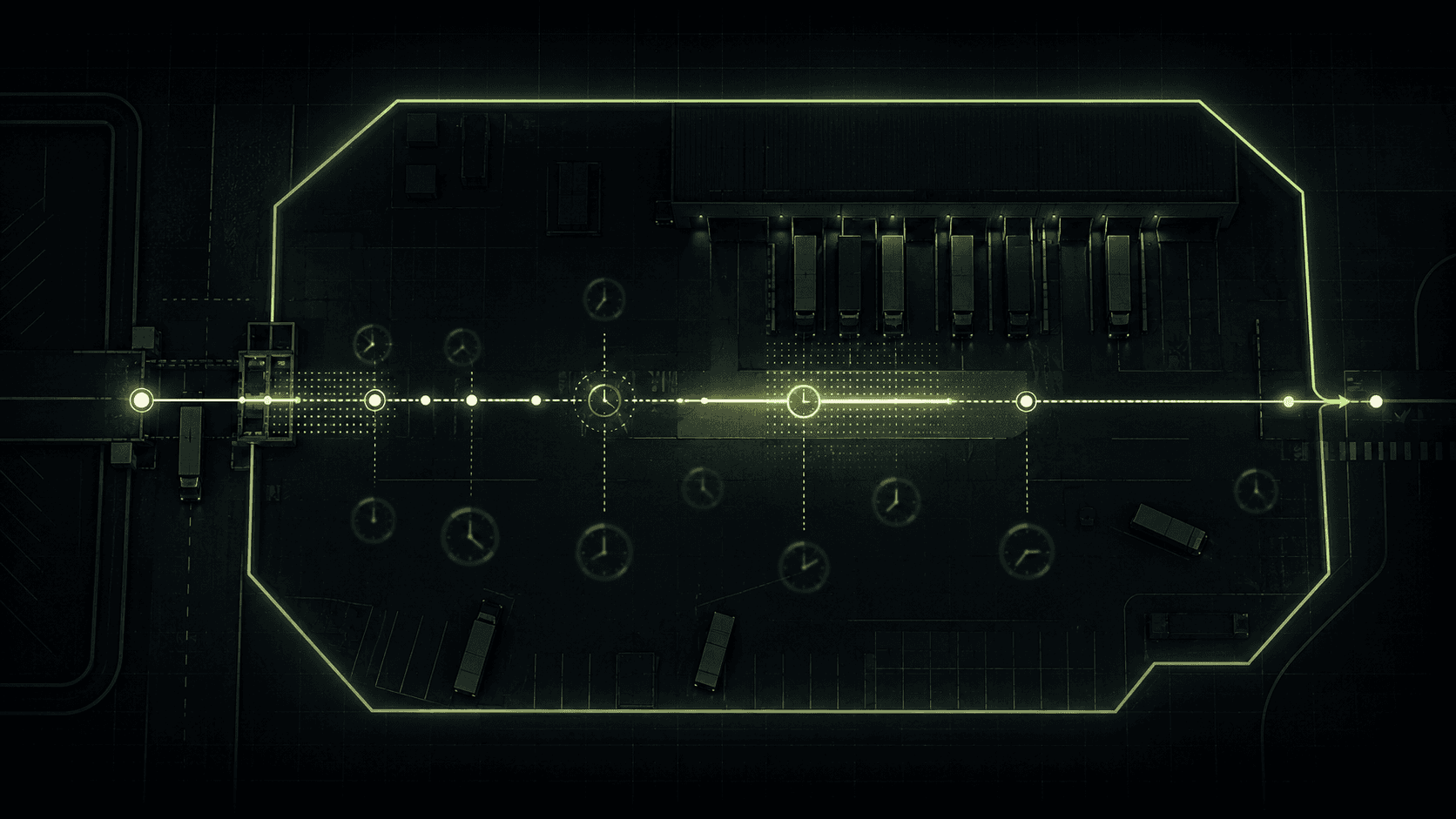
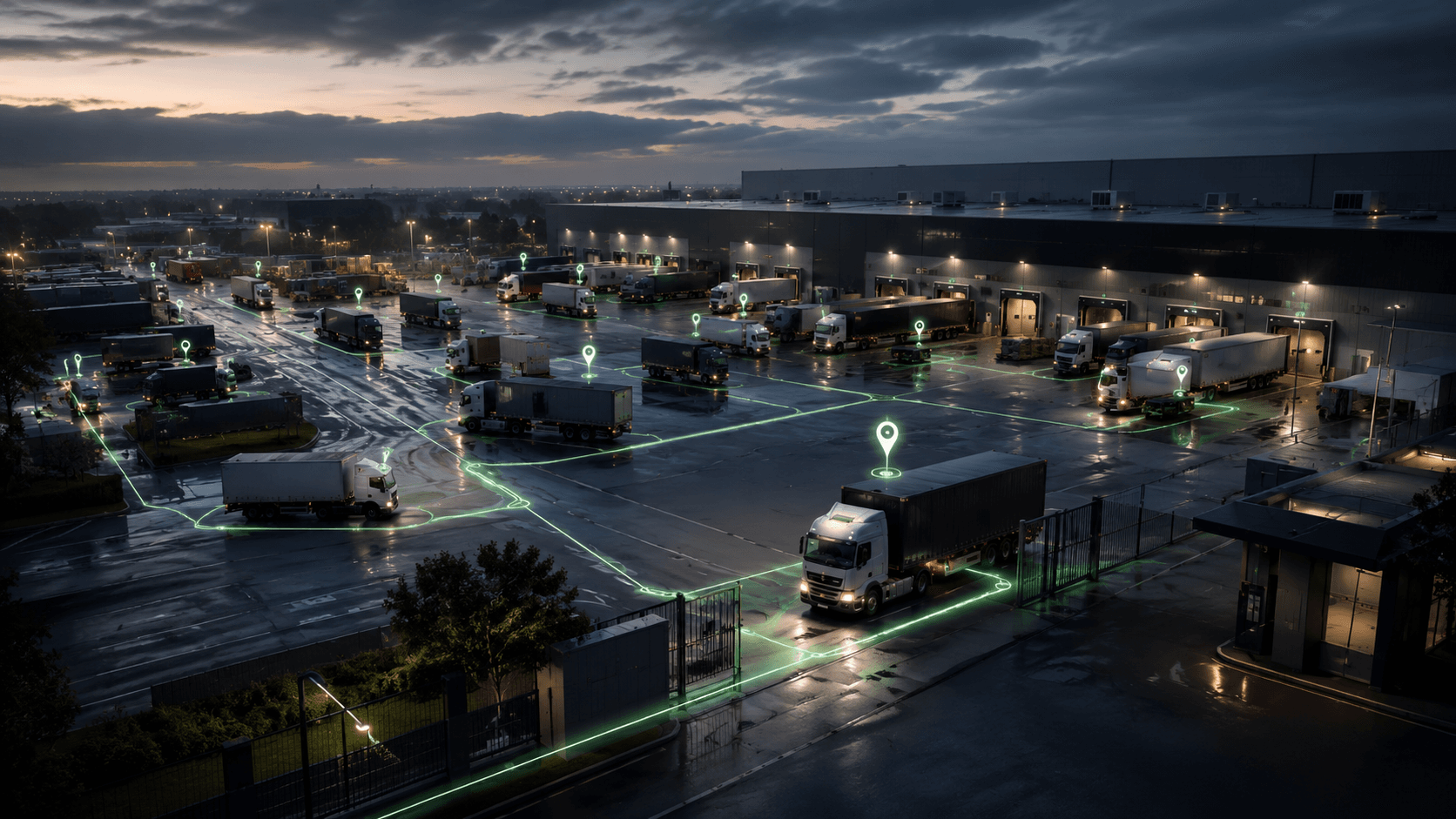
A geofence is a virtual boundary drawn around a physical location — a warehouse, a distribution center, a port terminal. It's a line on a map that exists only in software. When a GPS-tracked vehicle crosses that line, the system records it automatically.
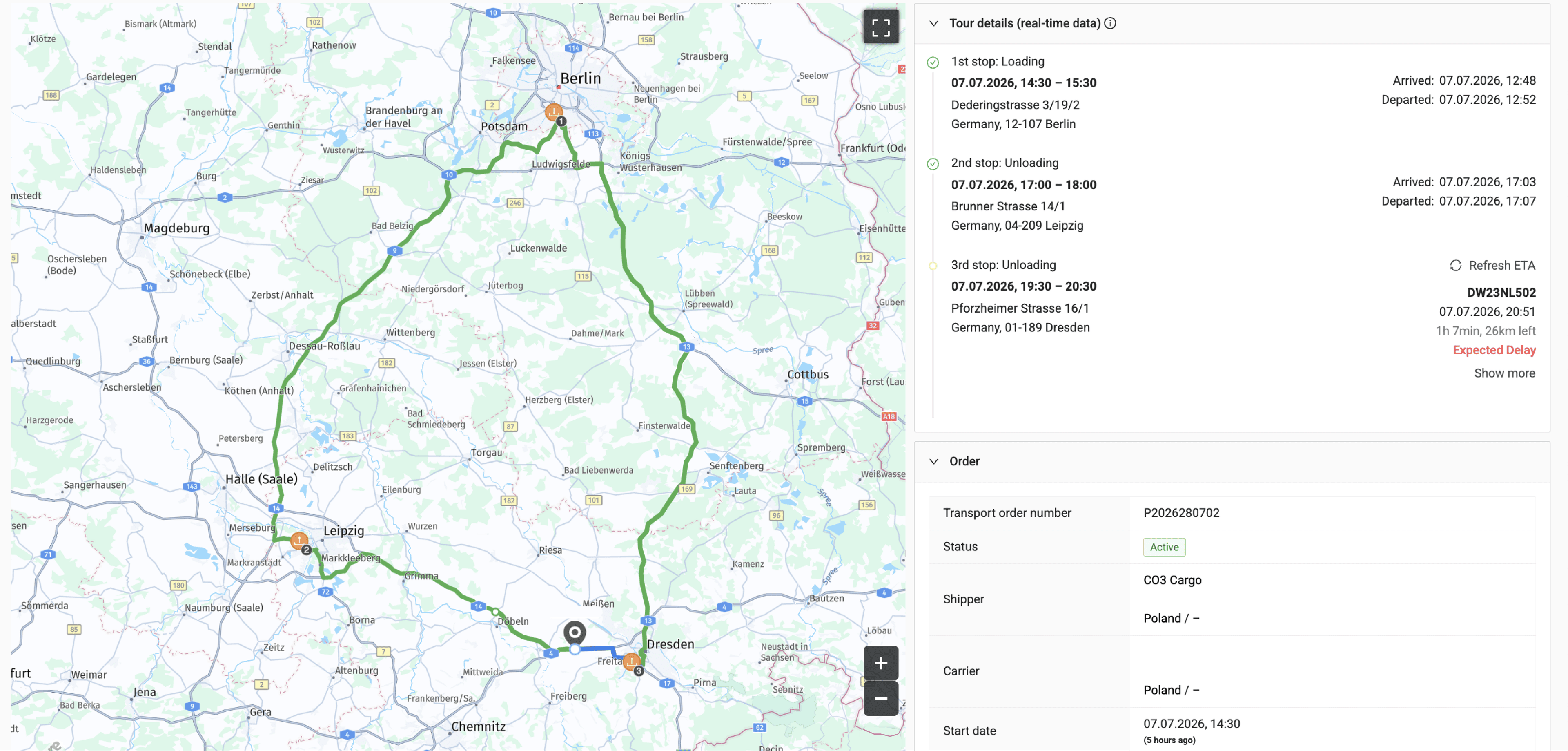
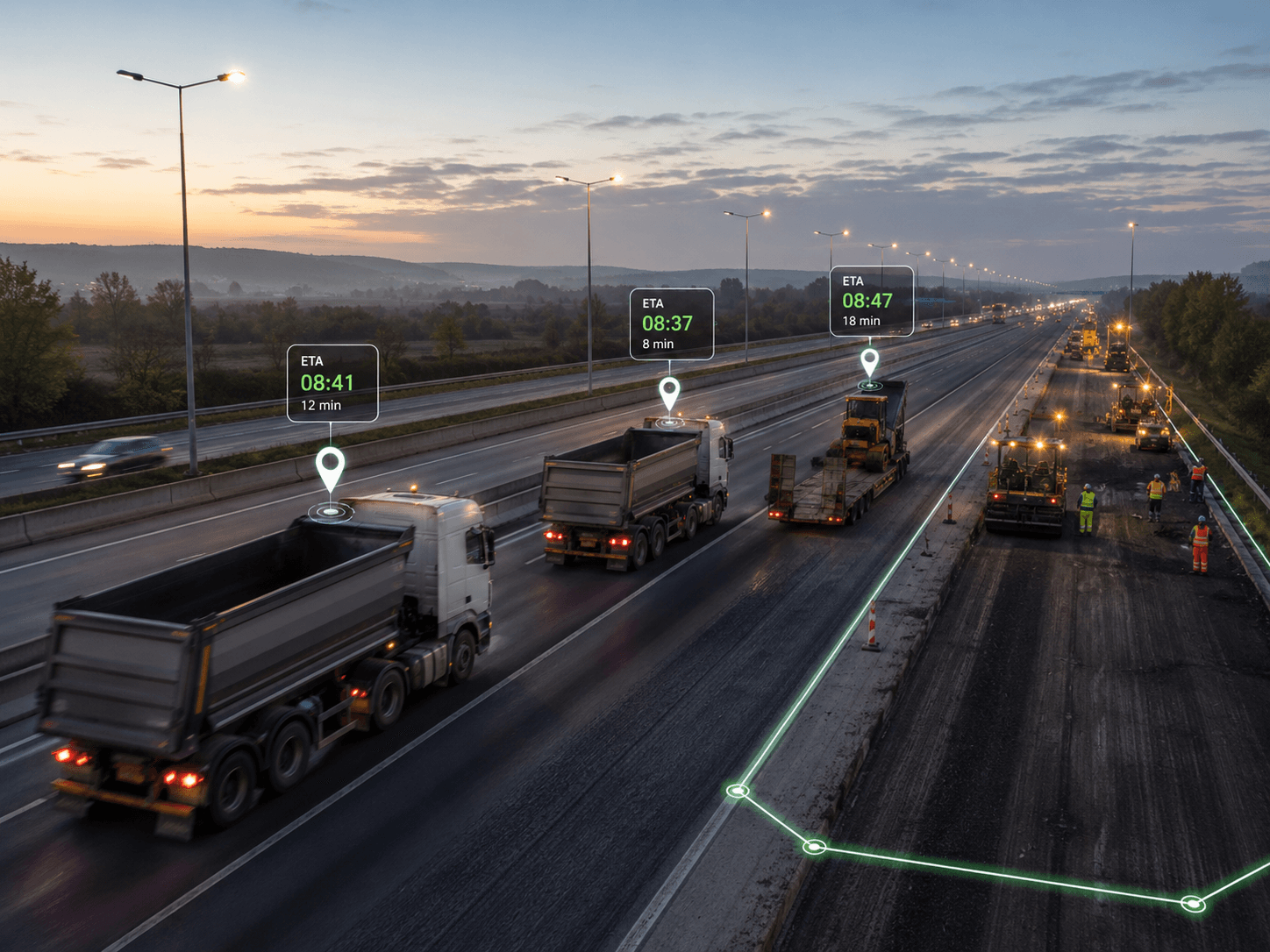
The mechanism is simple, and that simplicity is the point. When the truck enters the geofence, the platform stamps an arrival time. When it leaves, it stamps a departure time. The gap between them is dwell — the total time the vehicle spent at the site. Because the position comes directly from the vehicle and the timestamp is generated by the system, no one had to remember to log anything, and no one can plausibly claim the driver rounded up.
Three properties make this evidence hard to dispute:
It's objective. The timestamp isn't a person's recollection. It's a machine reading a GPS position against a fixed boundary. There's no incentive baked into it and no human step to attack.
It captures the gate, not just the dock. Detention often starts the moment a truck joins the queue to enter a site, but many systems only log "arrival" when the truck reaches the loading bay — hiding the very hours you're trying to bill. A geofence drawn at the site perimeter catches the truck the instant it arrives, including the queue.
It's consistent across every carrier and site. If the timeline is derived the same way for every load, you can compare sites, lanes, and shippers on equal terms — which turns individual disputes into a portfolio you can actually manage.
Industry adopters of geofence-based arrival data report detention-related charges falling by roughly a quarter to 40% (based on North American surveys), driven mostly by better scheduling once the arrival data is trustworthy and by winning disputes that used to be lost. Treat those figures as directional — they come largely from US fleet operations — but the direction is clear: when the timeline is objective, the money stops leaking.
From evidence to recovery: what it actually changes
An objective timeline changes three conversations at once.
Billing becomes defensible. When you invoice a shipper for detention and attach a system-stamped arrival-and-departure record, the argument is over before it starts. The single most decisive factor in winning a detention dispute is time-stamped evidence; parties overbill precisely because they assume the other side can't produce it. When you can, you recover.
Chronic offenders become visible. Once every load carries an automatic dwell record, you can rank sites and lanes by average waiting time. You'll almost always find that a small number of warehouses generate most of the pain. That ranking is your negotiation agenda — the list of shippers to re-price, reschedule around, or push to fix their docks.
Pricing gets honest. Detention you can measure is detention you can price into a contract. Instead of absorbing a known-bad site's delays as a silent cost, you can quote it in, or build a slot-booking condition around it, because you have the data to justify the terms.
How CO3 fits
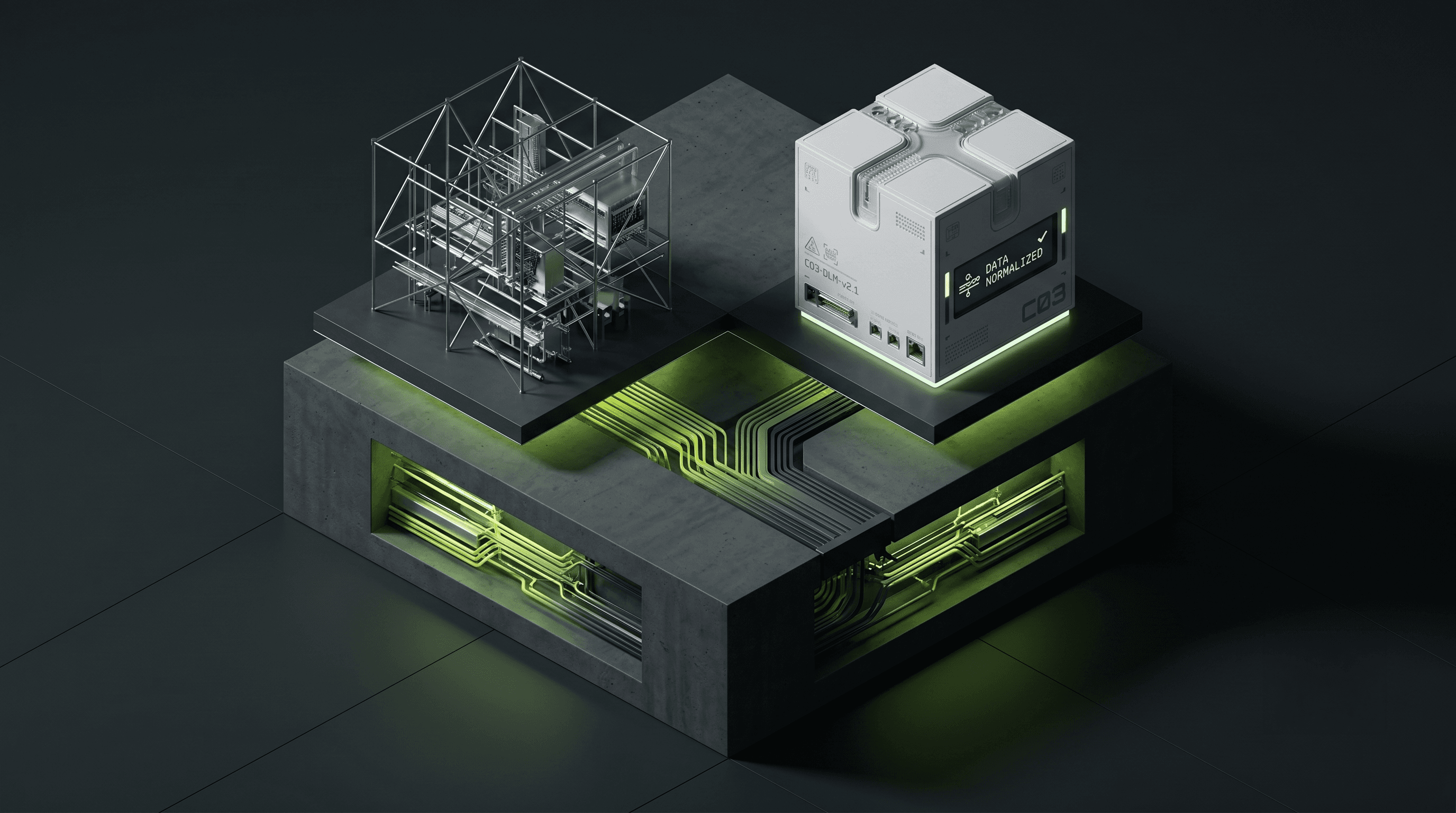
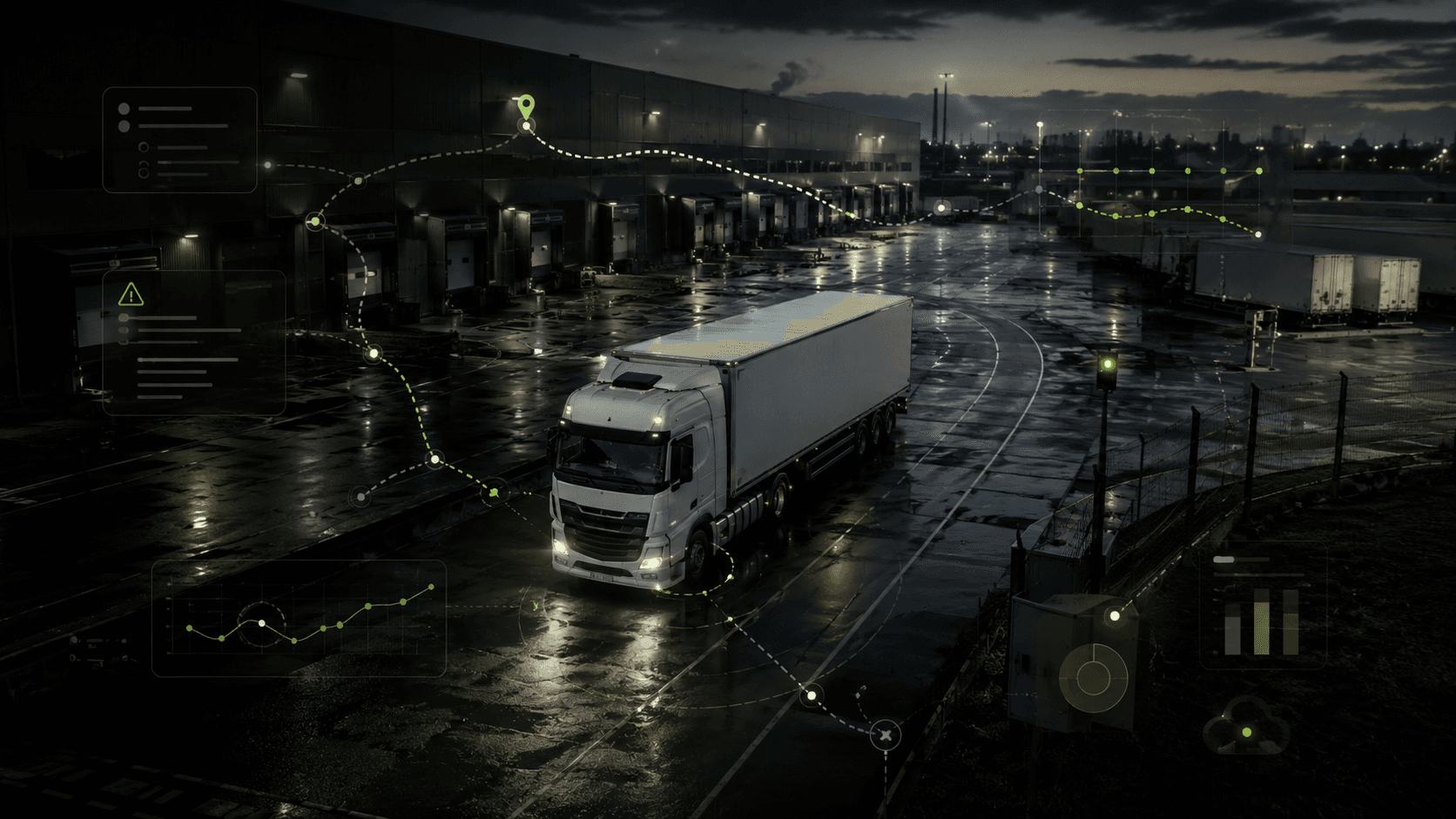
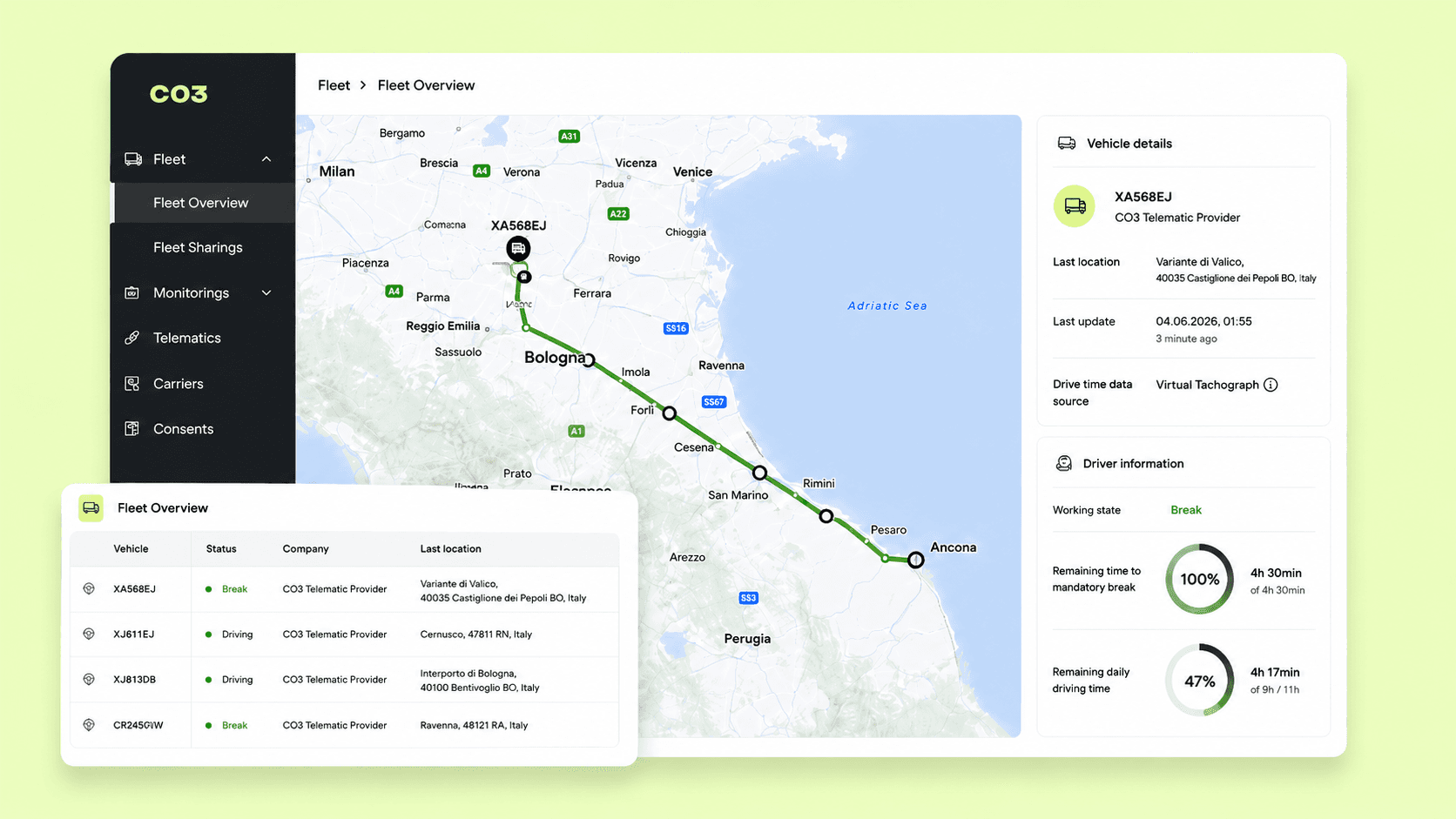
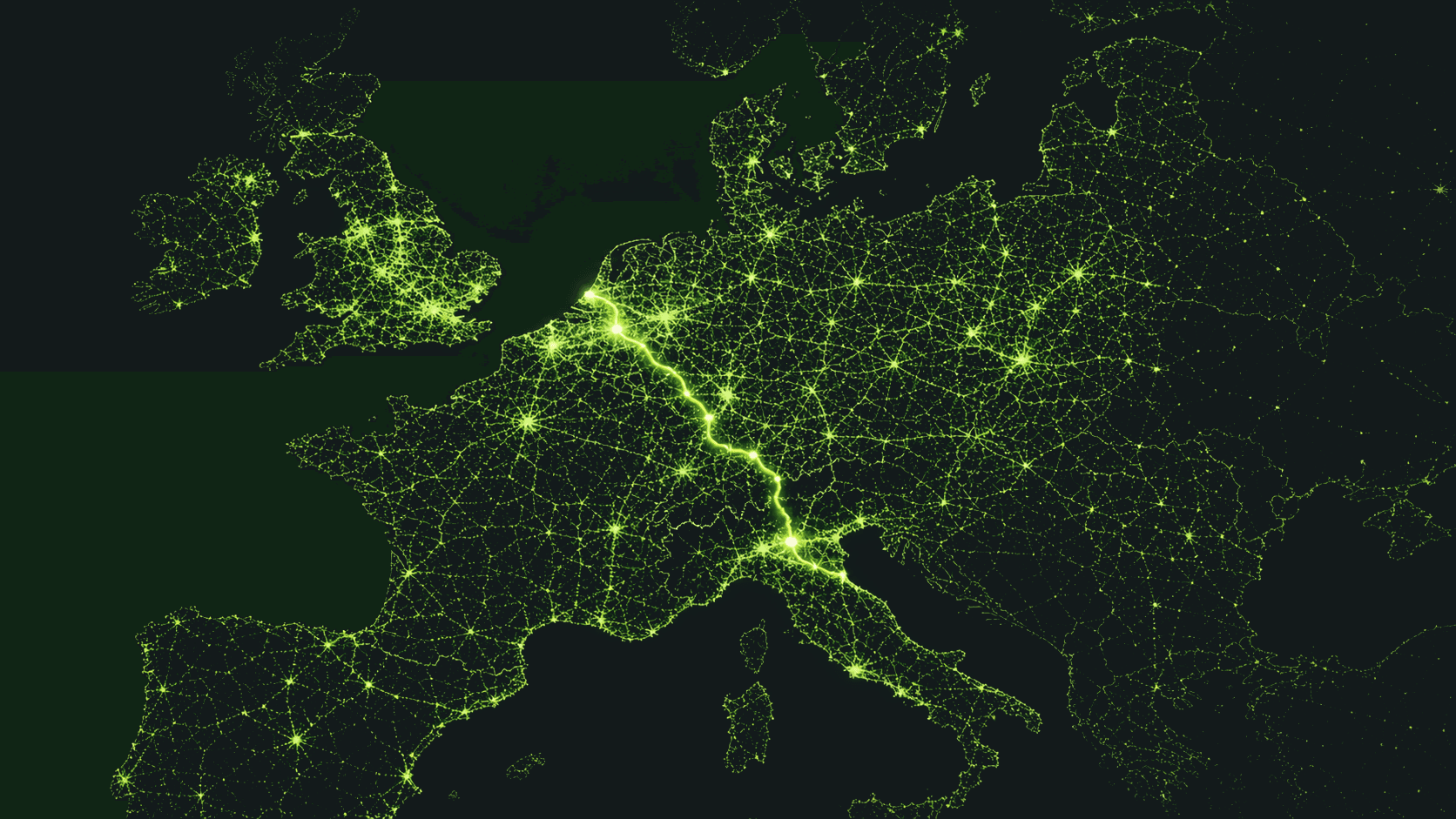
CO3 aggregates live position and telematics data from 500+ integrations across trucks, trailers, and subcontractors — including a forwarder's carriers — into a single API. Because position comes directly from the vehicle rather than a manual check call, arrival, dwell, and departure can be derived from real movement data, giving a forwarder an objective timeline per load and a view of which sites and lanes generate chronic waiting. No hardware installation is required, since the data comes from telematics the carriers already run.
Getting started without new hardware or a fight with your carriers
You don't need to re-equip anyone's fleet. Because the position data already exists in the telematics systems your carriers run, the work is about capturing and structuring it, not installing it.
First, draw geofences at your highest-volume and worst-offending sites. You don't need every warehouse on day one. Start with the handful of locations where detention hurts most and where you already suspect you're absorbing cost.
Second, make arrival and departure automatic for those sites. Let the vehicle's own position stamp the timeline for every load, so recovery no longer depends on a driver remembering to log a call.
Third, bring the timeline to the commercial conversation. Whether you're recovering a charge from a shipper or asking a carrier to correct an inflated invoice, an objective, vehicle-sourced record changes the discussion from opinion to evidence — and evidence is what you get paid on.
Self-assessment checklist
- Do you capture arrival at the site gate, or only when the truck reaches the dock?
- Can you produce a system-stamped arrival-and-departure timeline for any load on demand?
- What share of the detention you pay carriers do you actually recover from shippers?
- Do you know which warehouses and lanes cause most of your waiting time?
- Are your detention records strong enough to win a dispute with a large shipper?
- Is your dwell data drawn from the vehicle, or from manual check-ins?
- Do you price known-bad sites into your quotes, or absorb them silently?
- Could you state your total annual unrecovered detention cost today?
If the last question stops you, you're almost certainly absorbing more than you think. CO3 can help you measure it from live vehicle data.
What to watch over the next 12–18 months?
Detention is becoming a documentation game, and the rules are tightening in the forwarder's favour. On some trades, regulators now require detention and demurrage invoices to state exactly when free time started and ended — meaning a charge without a clean timeline can be pushed back on, and a forwarder with one is better armed than ever. Driver-hours rules under the EU Mobility Package raise the stakes on every waiting hour, because a long dwell can now trigger a mandatory rest and blow up the rest of a schedule. And as automatic, vehicle-sourced timelines become the norm, the evidentiary advantage shifts decisively to operators who have the data — turning detention recovery from a lost cause into a routine margin lever.
Closing thought
For a forwarder, detention is the cost that hides between two contracts: too small to chase one load at a time, too big to ignore across a year. The hours disappear at warehouse gates where you have the least control — but not the least visibility, if the truck itself is doing the recording. Draw the geofence, let the vehicle stamp the timeline, and an unwinnable argument becomes a recoverable charge. CO3 was built on exactly that vehicle data.
Glossary
- Geofence: A virtual boundary drawn around a physical site in software. Crossing it with a GPS-tracked vehicle triggers an automatic event (arrival or departure).
- Detention: The charge that applies when a truck and driver are held at a loading or unloading site beyond the agreed free time. The key term for road haulage.
- Demurrage: Strictly, a charge for equipment (containers/trailers) held beyond free time; common in container and intermodal logistics. Often used loosely to mean detention in road contexts.
- Free time: The grace period a site allows for loading/unloading before detention charges begin — typically one to two hours for a road shipment.
- Dwell time: The total time a vehicle spends stationary at a site, from arrival to departure.
- Gate vs. dock arrival: Gate arrival is when the truck reaches the site perimeter (including the entry queue); dock arrival is when it reaches the loading bay. Detention often starts at the gate but is under-logged when only the dock is recorded.
- Telematics: The in-vehicle systems (GPS, sensors) that report a vehicle's position and status. The source of the position data behind a geofence event.












.png&w=3840&q=75)





.png&w=3840&q=75)