VIN-Based ETA Accuracy

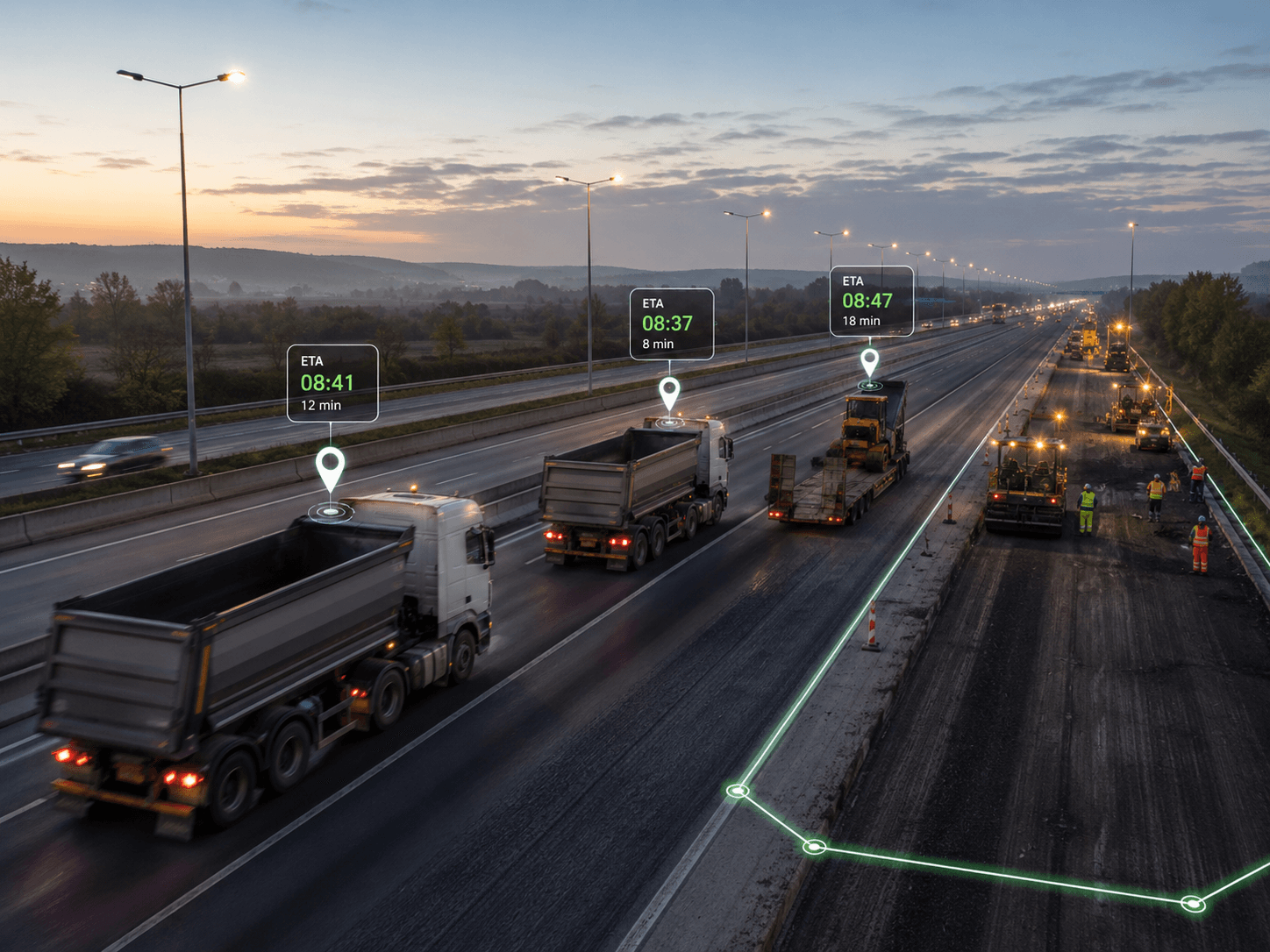
In the real-time visibility industry, an Estimated Time of Arrival (ETA) is often treated as a "best guess" wrapped in a slick user interface. But for a warehouse operator managing dock slots or a dispatcher promising a delivery window, a "guess" isn't a data point—it's a liability.
At CO3, we believe that to fix ETA, you first have to deconstruct it.
If you look at the math behind any vehicle's journey, ETA errors are caused by four—and only four—variables:
- The Route: Predicting the wrong path (e.g., ignoring weight limits or emission zones).
- The Flow: Predicting the wrong transit speed while moving (e.g., traffic or vehicle speed caps).
- The Human: Predicting the wrong driver breaks and legal rest durations.
- The Node: Predicting the wrong stopover time (loading, unloading, and gate congestion).
Most real-time visibility platforms solve for "The Flow" using basic GPS pings and Google Maps-style traffic data. That works for a passenger car. It fails for a 40-ton truck.
CO3 is now closing the gap on the first three factors by introducing VIN-based vehicle profiles.
The Problem: The "Generic Truck" Fallacy
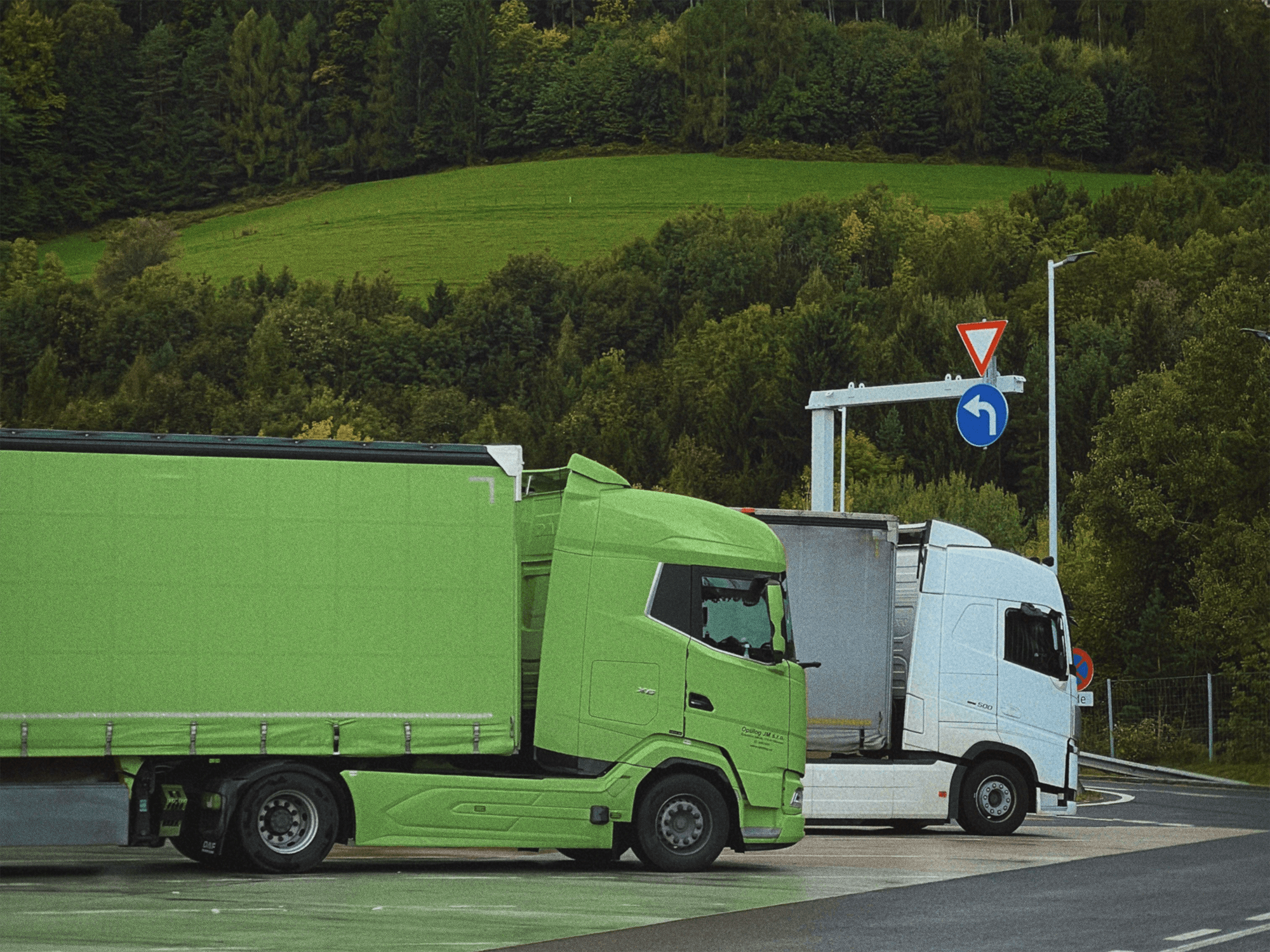
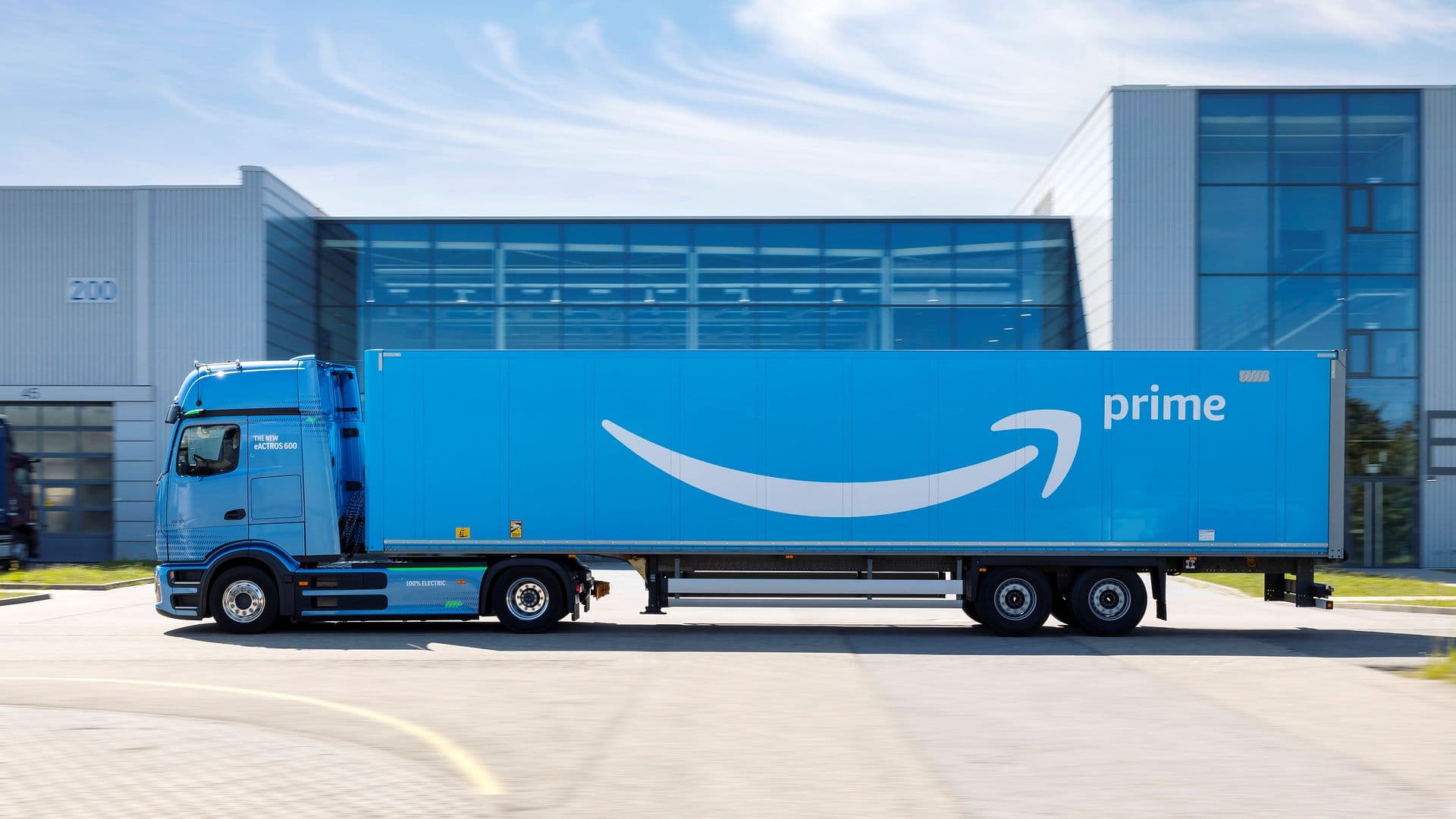
Most visibility algorithms treat every vehicle the same. They assume a "standard" vehicle profile - usually due to lack of accurate input data. However, the operational reality between a 3.5t van and a 40t Articulated Truck is massive:
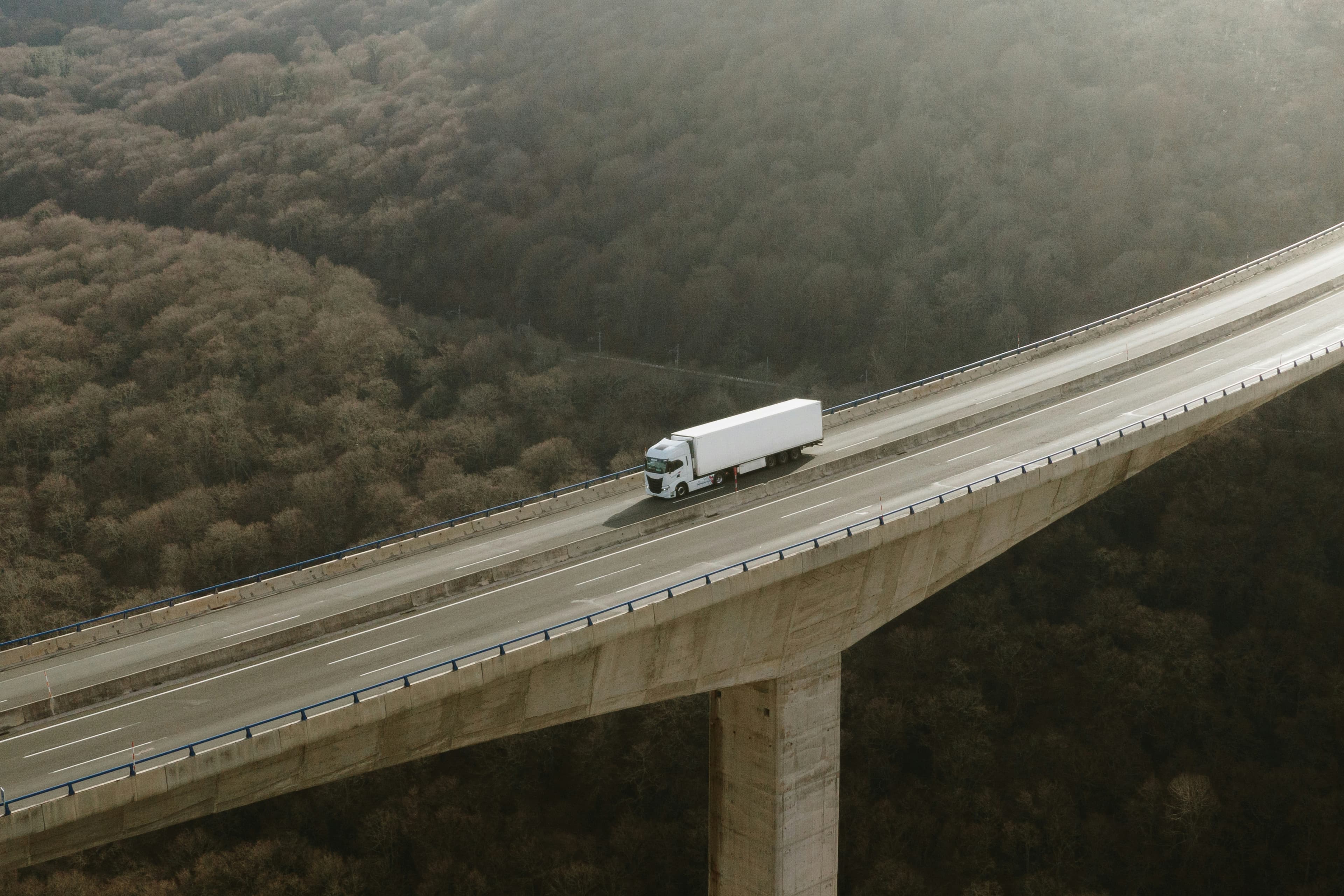
- They cannot take the same bridges.
- They cannot enter the same city centers.
- They do not move at the same speeds.
- One is bound by strict Tachograph regulations; the other is not.
If your visibility provider doesn't know exactly what is carrying your freight, they are guessing when it will arrive.
The Solution: VIN-Level Granularity
CO3 now leverages Vehicle Identification Number (VIN) data to automatically pull the DNA of the asset assigned to a shipment. By knowing the exact specifications of the vehicle, our algorithms now impact three of the four pillars of ETA accuracy:
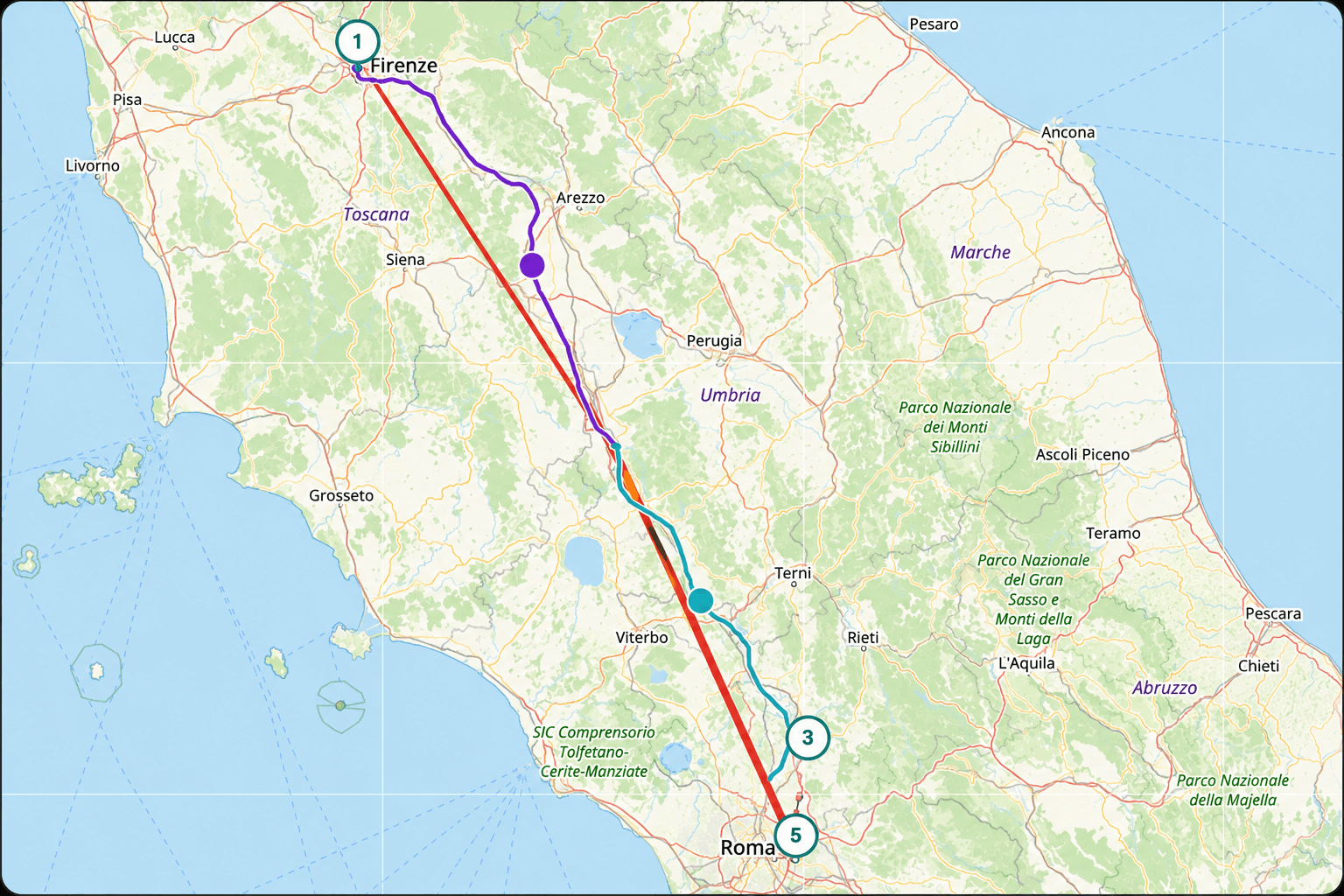
- Solving "The Route" (Dimensions & Emissions): By identifying the weight class, height and emission classification (Euro 6, etc.) via the VIN, CO3 ensures the predicted ETA is based on a route the vehicle is legally and physically allowed to take. If a truck has to detour 40km because of a weight-restricted bridge, our ETA accounts for it. If a vehicle is barred from a low-emission zone, we don't calculate a route through it.
- Solving "The Flow" (Speed & Capabilities): A van might maintain 110 km/h on an open highway; a speed-limited heavy truck cannot. By knowing the vehicle type and its maximum governed speed, we eliminate the "pessimistic" ETAs that assume a van has the same pace as a heavy truck.
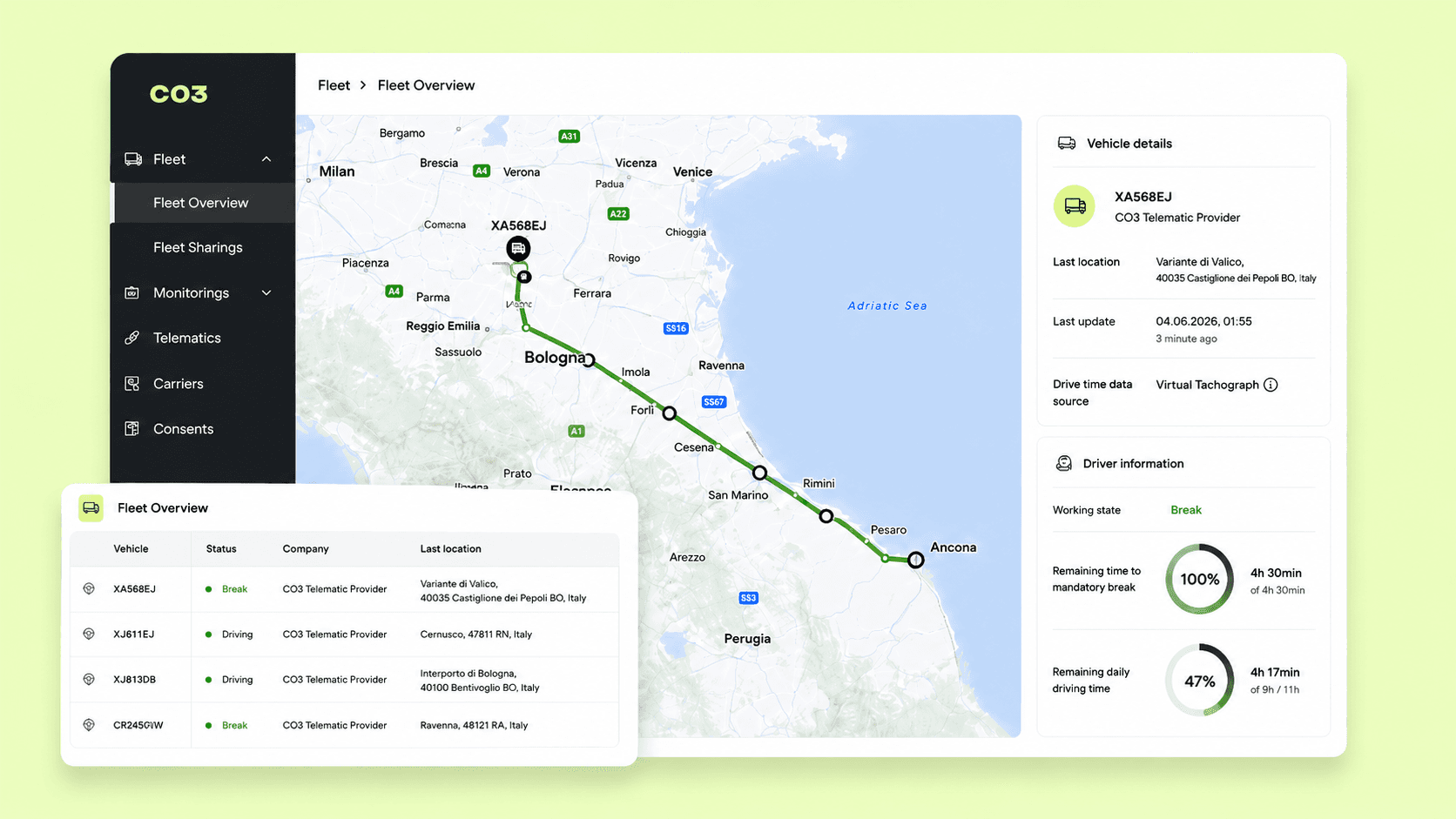
- Solving "The Human" (The Tacho-VIN Link): This is where CO3 moves ahead of the market. By combining VIN data (which tells us the vehicle’s regulatory requirements) with our Virtual Tacho data (which calculates the driver’s remaining hours), we predict the ETA based on legal reality even when there’s no connected tachograph. We know when the driver must stop and for how long.
What about the 4th Pillar?
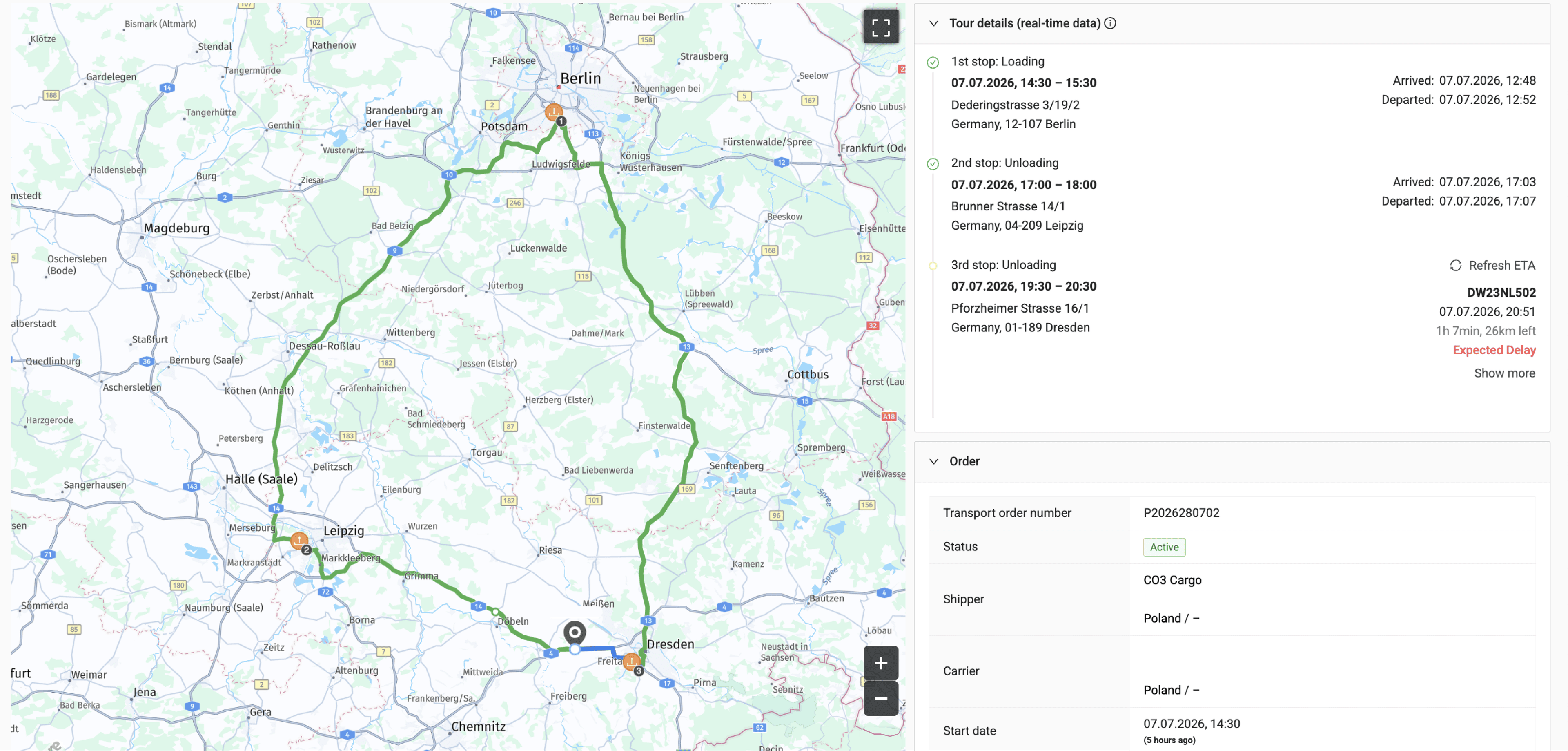
The "Stopover" time (loading/unloading) remains the final frontier—a variable often dictated by warehouse efficiency rather than road physics. While we continue to refine our models for node dwell times, by fixing the Route, Flow, and Human elements and breaking down all deviations into these four pillars, CO3 has effectively eliminated the "Black Box" of transit.
Precision as an API
We aren't just using this data to power our own dashboard. We believe the entire ecosystem benefits from better data. These vehicle characteristics are now available via a new API endpoint.
Whether you are building your own route optimization tool or a load-matching marketplace, you can now query CO3 to get the exact specs of the assets in your network.
The Bottom Line
In logistics, "Real-Time Visibility" is table stakes. The real competitive advantage lies in Predictive Accuracy. By moving from generic vehicle assumptions to VIN-based reality, CO3 is providing shippers and forwarders with the most reliable arrival data on the European market. No shortcuts, no "one-size-fits-all," just better physics.
If you would like to learn more, please reach out to your respective account manager. We would be delighted to share a demo with you!


















.png&w=3840&q=75)










.png&w=3840&q=75)